An Embroidery Designer’s Take on “Problem Solver, Math Teacher”
Every designer has a gut feeling when they open a new embroidery file. It’s that immediate sense of whether this design will stitch out cleanly, resonate with a client, or simply sit in the digital archive. Today, I’m looking at a design titled “Problem Solver, Math Teacher”, and my first impression is one of pleasant, straightforward utility.
The Straightforward Charm of a Math Theme
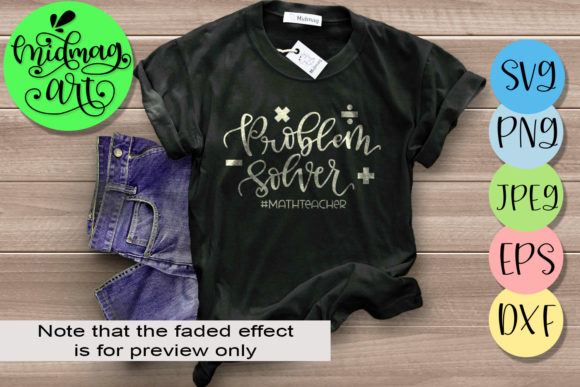
This isn’t a fussy, overly decorative piece. The title suggests a clear theme—an appreciation for mathematics and educators—and the visual layout, based on the files provided, is likely built for clarity. I imagine a balanced composition, perhaps with clean text or symbolic elements that speak directly to the subject. The mood it creates is professional, clever, and slightly nostalgic, perfect for a heartfelt gift or a branded item for a small business focused on education. Its personality isn’t loud; it’s confident and focused, which means it belongs on projects where the message needs to be the star.
Thinking about real-life use, I picture this embroidered onto a high-quality canvas tote bag for a beloved teacher. The clean lines of the design would complement the structured fabric, and the theme would transform a simple bag into a personalized, meaningful gift. It’s equally suited for a classic sweatshirt, adding a touch of intellectual personality to casual apparel.
Where This Design Finds Its Best Home
Let’s walk through some practical embroidery situations. For custom apparel like t-shirts and sweatshirts, the key will be stitch density. On knits, a design with overly dense fills can cause puckering, so checking that before hooping is essential. A tote bag or apron made of cotton or canvas is a fantastic, stable canvas for this theme. For baby clothes or nursery decor, the scale matters—you’d likely want a smaller, softer version, perhaps on a blanket corner.
As a patch, this design could be incredibly popular. A “Problem Solver, Math Teacher” patch on a backpack or jacket is a badge of honor. For pillow covers or kitchen towels, it adds a witty, personal touch to home goods. In a commercial setting, a small boutique selling gifts for professionals or an Etsy shop specializing in educator appreciation could use this as a core part of their holiday gift or wedding gift lineup for school staff. It lends itself well to printable mockups for digital product previews, instantly showing customers the potential.
Proceed with Caution on Tricky Surfaces
Not every project is a perfect fit. With any design, you have to know its limits. For “Problem Solver, Math Teacher,” pay close attention if you’re considering very small hoop sizes. Tiny lettering or intricate details can become muddled if scaled down too aggressively. Textured fabrics like certain linens or stretch fabrics without proper stabilizer can distort clean lines.
Dark fabric requires thoughtful thread color selection for contrast and impact. Embroidering on curved surfaces like caps demands a test run to ensure the design’s layout accommodates the curve without awkward breaks. If the design has dense stitch areas, be mindful of stiffness on wearable items. And for products that need frequent washing, like baby items, a robust stitch construction and quality thread are non-negotiable for longevity.
How a Clean Design Builds Trust and Value
The visual appeal of a well-executed embroidery design directly impacts perceived value. When “Problem Solver, Math Teacher” is stitched with stitching clarity, using crisp satin stitches for borders or clean fill stitches for solids, it elevates the final product. That clarity builds customer trust—they see a professional, durable finish. For a handmade presentation in a craft business or Etsy listing, this professionalism translates to better reviews and repeat buyers.
It aids in brand consistency for a shop specializing in academic themes. As a gift, its giftability is high because it’s specific and meaningful. The recognition factor is immediate for the right audience, creating a strong emotional connection. All of this fuels buyer engagement—a customer looking for a teacher gift isn’t just buying a decorated item; they’re buying a story.
A Designer’s Practical Notes Before You Hoop
Before you commit this to a client project or your own merchandise, do the legwork. Always test the design on scrap fabric first, ideally the same type you’ll use for the final product. This reveals issues with stitch density or pull. Check thread color contrast thoroughly; run a section in both light and dark backgrounds if you plan to offer both options.
Review the hoop size requirement in your software—don’t assume. Inspect small details in the file preview; look for any potential thread traps or overly tight corners. Creating black and white mockups can help visualize the design’s form without color distraction. Use the proper stabilizer for your fabric; this is the foundation of a clean stitch-out.
Most importantly, understand the license. The product comes as a digital embroidery file in SVG and DXF formats, compatible with many machines and software. But confirm licensing before selling finished items or digital products. Does it allow for commercial use of the physical embroidered items? This is crucial for small shop products and craft business operations. Never proceed with a commercial embroidery project without that clarity.
In the end, “Problem Solver, Math Teacher” strikes me as a reliable, theme-driven design asset. It won’t solve every creative need, but for its niche—celebrating educators, math enthusiasts, and clever problem-solvers—it provides a solid, professional foundation. With careful testing and thoughtful application to the right products, it can become a staple in your embroidery project library, producing finished products that feel both handmade and perfectly polished.